Haemodialysis
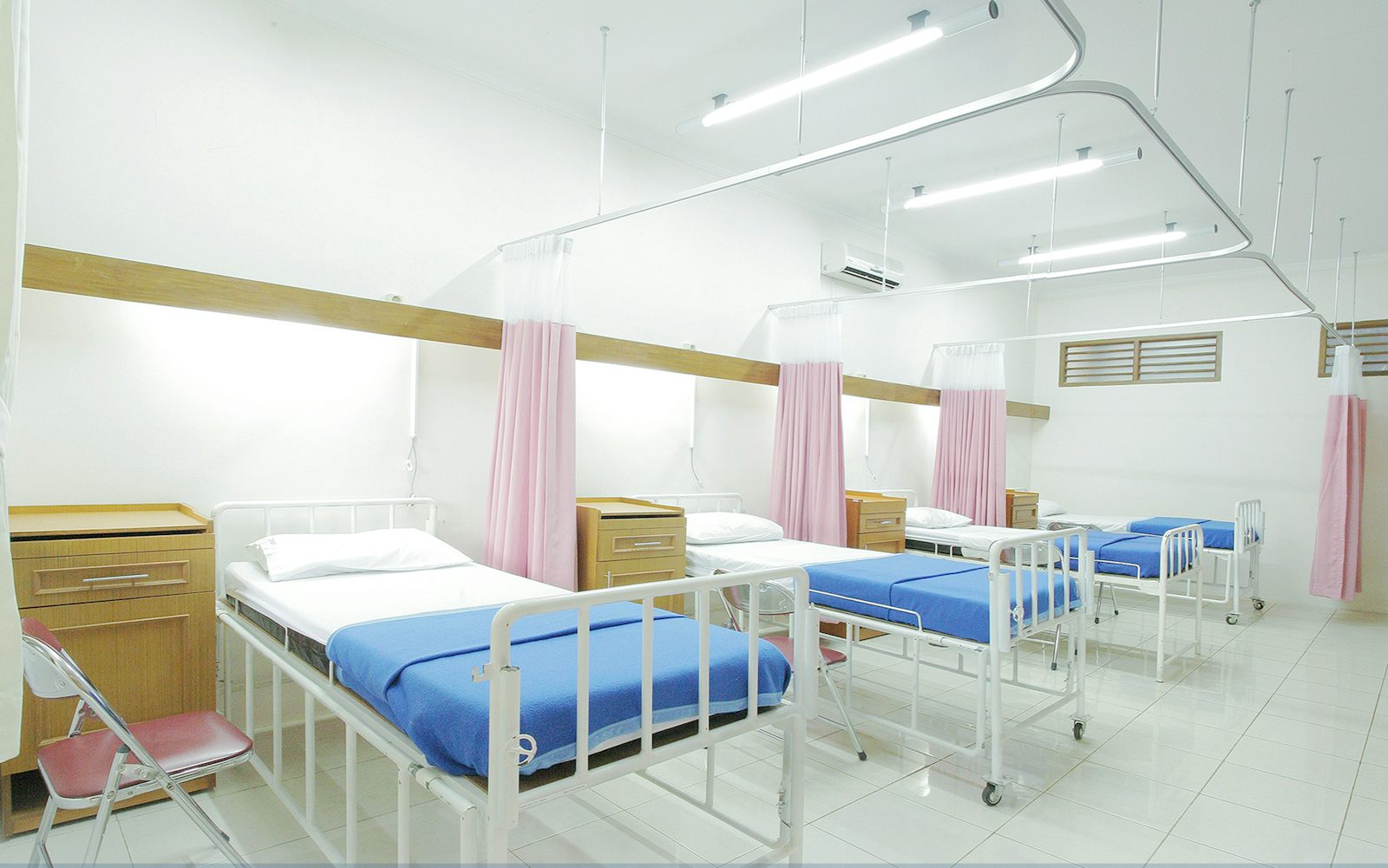
Regular and emergency dialysis sessions in a monitored unit with trained dialysis nurses.
Protecting kidney health with compassionate care
The Nephrology & Dialysis department cares for people with kidney disease at every stage. Our nephrologists assess abnormal kidney tests, protein or blood in the urine, swelling and kidney problems linked to diabetes and high blood pressure. Early specialist input can slow the progression of chronic kidney disease, and we place strong emphasis on blood pressure control, diet advice and safe use of medicines.
For patients with kidney failure, our haemodialysis unit provides regular sessions in a clean, comfortable and closely monitored environment, with separate machines for patients with hepatitis. Dialysis nurses are specially trained, and each patient's treatment is reviewed regularly by a nephrologist. We also offer vascular access planning and counselling about kidney transplantation.
Common reasons patients are referred to our Nephrology & Dialysis team.
Regular and emergency dialysis sessions in a monitored unit with trained dialysis nurses.
Monitoring and treatment to slow chronic kidney disease and manage its complications.
Planning of AV fistula and placement of dialysis catheters for safe, effective treatment.
Ultrasound-guided biopsy to diagnose the precise cause of kidney disease.
Assessment and guidance for patients and families considering kidney transplantation.
Early kidney disease often causes no symptoms at all, which is why testing is important for people with diabetes, high blood pressure or a family history. Later signs may include swelling of the feet, tiredness, frothy urine, reduced appetite and passing urine more at night. A simple blood and urine test can detect problems early.
A typical haemodialysis session lasts about four hours, usually two to three times a week. You can rest, read or watch something during treatment. Your nephrologist will adjust the schedule and settings according to your blood results, fluid status and how you feel.
Diet is important for people on dialysis. You will usually need to limit salt, fluids, potassium and phosphorus, while eating enough good-quality protein. Our team will give you practical, culturally suitable diet guidance and review your blood tests regularly to adjust advice as needed.
Experienced, consultant-led care — view a profile to see qualifications and OPD timings.
Consultant Nephrologist
MBBS, FCPS (Nephrology)
Mon, Tue & Thu · 11:00 AM – 02:00 PM
Sat · 05:00 PM – 08:00 PM
24-Hour Emergency & Trauma
Immediate medical attention, any time of day or night — ambulance on call.
Your health, our priority
Book an OPD appointment online in under a minute, or call our helpline — our team will confirm your slot with the consultant of your choice.