Acute Stroke Assessment
Rapid evaluation with urgent CT or MRI and early treatment in coordination with the Emergency team.
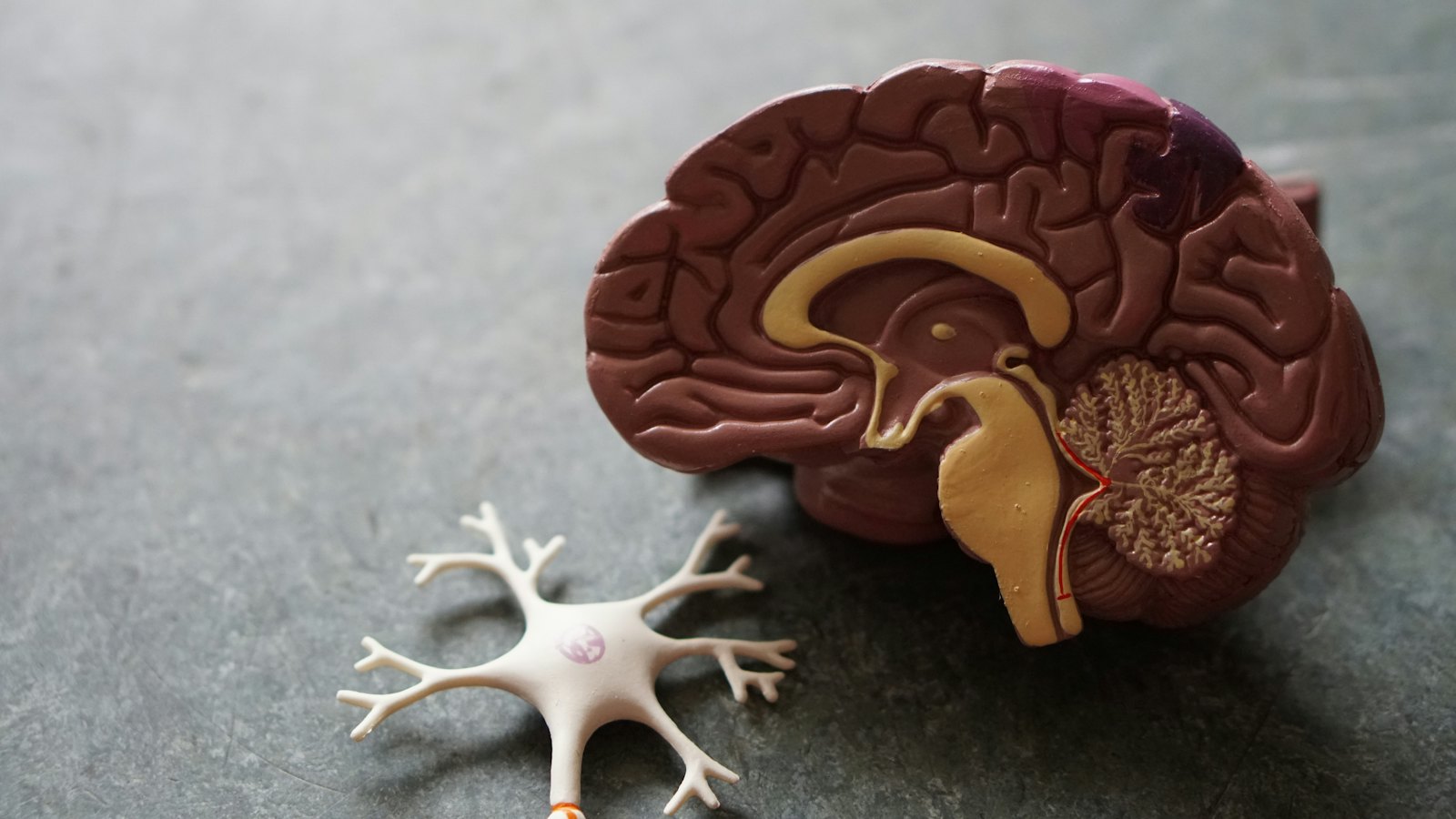
Specialist care for the brain, spine and nerves
The Neurology department diagnoses and treats disorders of the brain, spinal cord, nerves and muscles. Our neurologists see patients with stroke, epilepsy, migraine, Parkinson's disease, memory problems, neuropathy and muscle weakness. Careful clinical examination is supported by EEG, nerve conduction studies, CT and MRI, so that a clear diagnosis can be reached and a treatment plan explained in simple terms to patients and their families.
Stroke is a time-critical emergency. Our Emergency and Neurology teams work together to assess suspected stroke quickly, arrange urgent brain imaging and begin appropriate treatment. For long-term conditions such as epilepsy or Parkinson's, we provide regular follow-up, medicine review and close coordination with physiotherapy and rehabilitation to help patients stay as independent as possible.
Common reasons patients are referred to our Neurology team.
Rapid evaluation with urgent CT or MRI and early treatment in coordination with the Emergency team.
Recording of the brain's electrical activity to help diagnose and monitor epilepsy and seizures.
Tests of nerve and muscle function for numbness, tingling, weakness and carpal tunnel syndrome.
Structured assessment of migraine and chronic headache, with preventive and lifestyle-based treatment.
Long-term management of epilepsy, Parkinson's disease and tremor with regular medicine review.
Remember BE FAST: loss of Balance, blurred or lost Eyesight, Face drooping, Arm or leg weakness, Speech difficulty, and Time to call for help. If you notice any of these, even if they settle quickly, bring the patient to our Emergency department immediately. Early treatment can significantly reduce long-term disability.
Yes. An EEG simply records the brain's natural electrical activity through small sensors placed on the scalp. It does not deliver any current and is painless. Please come with clean, dry hair without oil or gel. You may be asked to breathe deeply or look at a flashing light during the test.
Migraine cannot always be cured, but it can usually be controlled well. Your neurologist will help identify triggers such as poor sleep, missed meals or stress, recommend suitable pain relief, and, if attacks are frequent, prescribe preventive medicine. Keeping a simple headache diary before your visit is very helpful.
Experienced, consultant-led care — view a profile to see qualifications and OPD timings.
Consultant Neurologist
MBBS, FCPS (Neurology), MRCP (UK)
Mon – Thu · 04:00 PM – 08:00 PM
Sat · 11:00 AM – 02:00 PM
24-Hour Emergency & Trauma
Immediate medical attention, any time of day or night — ambulance on call.
Your health, our priority
Book an OPD appointment online in under a minute, or call our helpline — our team will confirm your slot with the consultant of your choice.