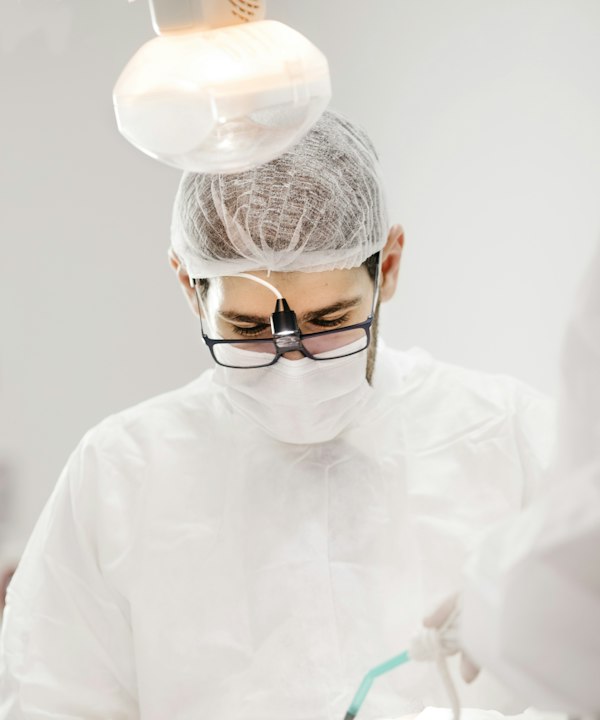
Spine Surgery
Microdiscectomy, decompression and spinal fixation for disc prolapse, stenosis and instability.
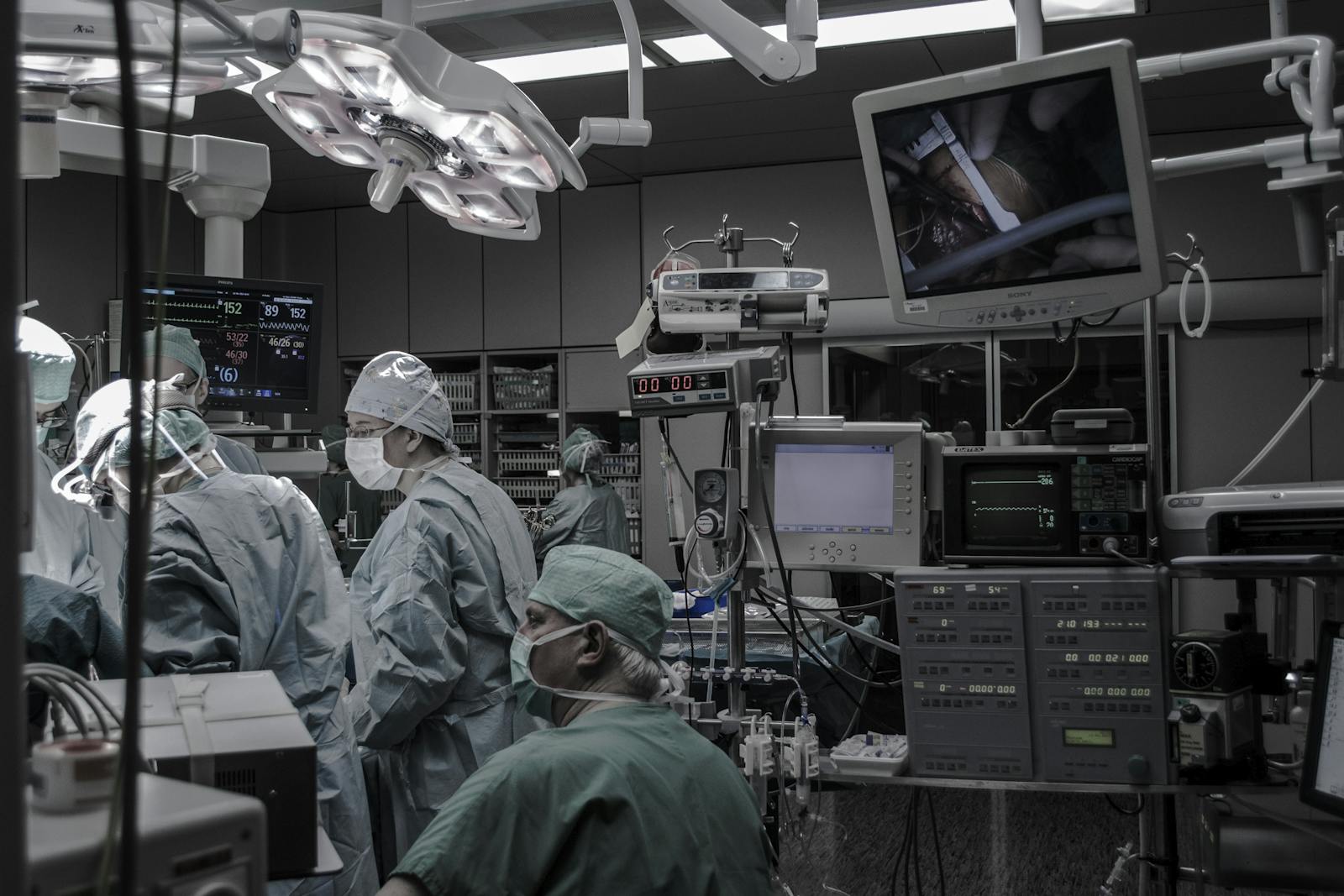
Precise surgical care for the brain and spine
Our Neurosurgery department provides surgical care for conditions of the brain, spine and peripheral nerves. The team manages head injuries, brain tumours, hydrocephalus, slipped discs, spinal stenosis and spinal fractures. Every patient is assessed carefully with CT and MRI, and surgery is recommended only when it is likely to help. Where possible, conservative treatment such as medicines and physiotherapy is tried first.
Operations are performed in a modern theatre equipped with an operating microscope and high-speed drill, with intraoperative imaging available for spinal procedures. After surgery, patients are cared for in our ICU or neuro high-dependency unit by trained nursing staff, followed by a structured rehabilitation plan with our physiotherapy team.
Common reasons patients are referred to our Neurosurgery team.
Microdiscectomy, decompression and spinal fixation for disc prolapse, stenosis and instability.
Microscope-assisted removal or biopsy of brain tumours, planned with detailed MRI imaging.
Emergency assessment and surgery for head trauma, with post-operative care in our ICU.
Shunt procedures to relieve fluid pressure on the brain in children and adults.
Release of trapped nerves such as carpal tunnel syndrome to relieve pain and numbness.
No. Most patients with a slipped disc improve with rest, pain relief and physiotherapy over several weeks. Surgery is usually considered when pain does not settle, when there is progressive weakness, or when bladder or bowel control is affected. Your neurosurgeon will review your MRI and symptoms before advising the best option.
After a straightforward microdiscectomy, most patients are walking the next day and go home within two to three days. More extensive spinal fixation may need a longer stay. You will receive clear instructions on wound care, activity and physiotherapy, and a follow-up appointment before discharge.
Seek urgent care if there is loss of consciousness, repeated vomiting, severe headache, confusion, drowsiness, fits or bleeding from the ear or nose. Older people and those taking blood thinners should be assessed even after a minor fall. Our Emergency department can arrange an urgent CT scan.
Experienced, consultant-led care — view a profile to see qualifications and OPD timings.
Consultant Neurosurgeon
MBBS, FCPS (Neurosurgery)
Tue & Thu · 03:00 PM – 07:00 PM
Sat · 10:00 AM – 01:00 PM
24-Hour Emergency & Trauma
Immediate medical attention, any time of day or night — ambulance on call.
Your health, our priority
Book an OPD appointment online in under a minute, or call our helpline — our team will confirm your slot with the consultant of your choice.